OCEAN:
A concussion can cause symptoms such as dizziness, headaches, balance problems, visual difficulties, and sensitivity to movement or activity.
Common concussion therapy exercises
- Gaze stabilization: Keep your eyes focused on a stationary target while slowly moving your head side to side or up and down.
- Eye-tracking exercises: Follow a finger or target with your eyes while keeping your head still.
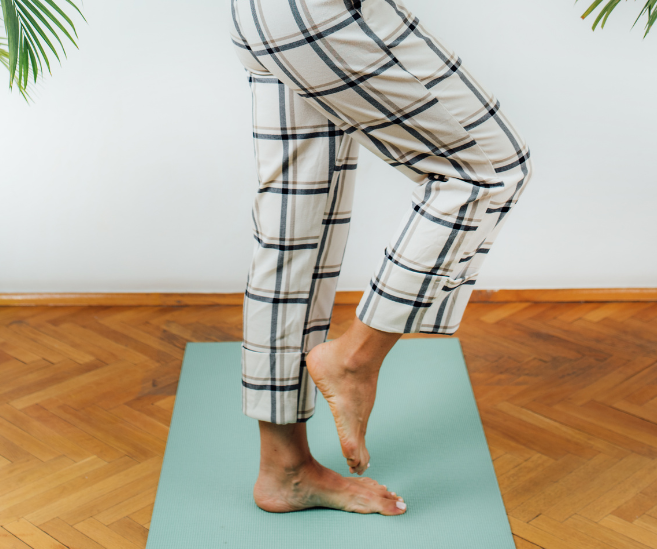
- Balance exercises: Stand with feet together, in a staggered stance, or on one leg; progress by adding head movements or reducing visual input.
- Walking with head turns: Walk while slowly turning your head left/right or up/down.
- Habituation exercises: Repeated, controlled movements that reproduce mild dizziness—such as bending, turning, or changing positions—to gradually reduce sensitivity.
- Walking and coordination drills: Heel-to-toe walking, changing directions, or walking while performing simple visual or cognitive tasks.
- Neck exercises: Gentle range-of-motion, stretching, and strengthening exercises when neck symptoms contribute to headaches or dizziness.
- Aerobic exercise: Gradually increasing walking, stationary cycling, or other cardiovascular activity while monitoring symptoms.
- Dual-task exercises: Combine movement with a cognitive task, such as walking while counting backward or naming objects.
- Sport-specific exercises: For athletes, therapy may progress to running, jumping, agility, and sport-specific movements before returning to full participation.
The exercises should be individualized and progressed gradually. A physical therapist trained in vestibular/concussion rehabilitation can determine which exercises are appropriate, particularly if exercise significantly increases dizziness, headache, nausea, or other symptoms.